What Should You Do When a Handwash Station Runs Dry?
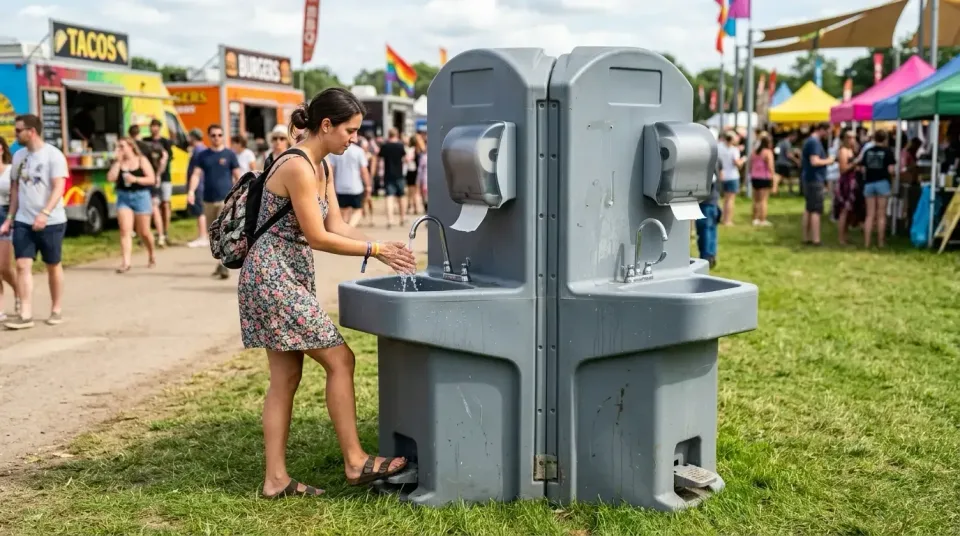
Refill a dry handwash station when one unit can keep up with demand; add another when repeated shortages disrupt handwashing. First, check whether the freshwater supply is actually empty or whether a frozen or blocked line is interrupting flow. Occasional winter freezes can affect water lines and handwash stations, so protect the equipment and check for frozen components before arranging a refill. A short interruption can still leave workers or guests without a usable sink.
Alvin’s mild winters usually allow outdoor work to continue through the year, but a freeze can make a simple refill insufficient until the water line works again. Hurricane season runs June through November; plan ahead because tropical weather can complicate event schedules and supply access. We coordinate the right next step after learning how many people use the station and how often it runs dry.
Should You Refill the Station or Add Another?
When handwashing stops because the freshwater supply is empty, refill first if the shortage is occasional and the station can be serviced without interrupting the workday. Add a second station if queues form, the first unit empties repeatedly, or users are spread across separate work or event areas. A refill solves a supply gap; another unit changes how far people must walk and how many can wash at once.
We ask when the water ran out, how many people are using the sink, and whether usage peaks at predictable times. That matters more than guessing from attendance alone.
Alvin City Hall provides a local example of a public destination where event timing and visitor flow can change demand; a setup planned for a quiet period may not suit a busy gathering. Texas Toilet Rentals uses those details to coordinate placement and servicing rather than treating every empty station as the same problem.
How Do Alvin’s Rainfall and Site Conditions Affect Placement?
Alvin receives roughly 50 inches of annual rainfall, so placement deserves attention before a station is dropped on open ground. Rain can turn a convenient-looking patch into a muddy route, complicating access for users and the crew that needs to refill it. Choose a firm spot with a clear approach, and avoid placing the unit where runoff collects.
Coastal moisture can accelerate corrosion of metal fittings. Check taps, connections, and other exposed hardware when inspecting a station; a leaking or corroded fitting can waste the very water the unit needs.
We also confirm that the service route remains open, since a blocked approach can delay routine attention. The Marguerite Rogers House Museum is one recognizable Alvin landmark; for any venue, the practical question is the same: can people reach the station easily, and can a service vehicle reach it when needed?
When Is a Second Station Better for a Worksite?
If a work crew repeatedly finds the sink empty before a planned refill, adding a second handwash point may prevent workers from waiting or skipping the station. High summer temperatures increase waste odors, making nearby sanitation arrangements more noticeable and reinforcing the value of a usable handwashing setup. Keep the sink accessible without placing it in vehicle traffic or far from where people need it.
At locations near Alvin High School, for example, an event organizer should consider how users move through the site and whether a single station creates a bottleneck. We do not assume that a second unit is automatically the answer: if a damaged tap or supply line is the cause, another station could repeat the same failure.
Check flow, fittings, and water level first. Then compare the cost of more frequent visits with the benefits of a second placement.
Can You Refill It Yourself, or Should You Call?
A site contact can check the visible water level and report that the station is empty. Do not improvise with a source of uncertain water quality, force a frozen fitting, or ignore a leak; those steps can create a larger service problem. Call for help when the station will not flow after a refill, water is escaping, a connection is damaged, or the unit needs service the site team cannot safely provide.
For ongoing worksite sanitation support, agree on who checks the unit and how an empty station is reported. Alvin Municipal Airport is another local point of reference where clear site coordination matters: access instructions and a reachable contact help a service visit go smoothly.
Our crew has spent more than eight years coordinating deliveries and service around Alvin, and we confirm placement details before arranging the next step. For background on water-supply decisions, see our handwash station guide.
Which Handwashing Setup Fits Your Alvin Site?
For a small crew with one station that empties occasionally, start by comparing a refill plan with an additional handwash point. Choose based on demand and access not guesswork.
| Option | Best for | Key detail |
|---|---|---|
| Refill existing station | A single work area with occasional shortages | Keeps the current placement; check water flow and fittings |
| Add another handwash station | Recurring queues or users in separate areas | A second point can reduce trips to one sink |
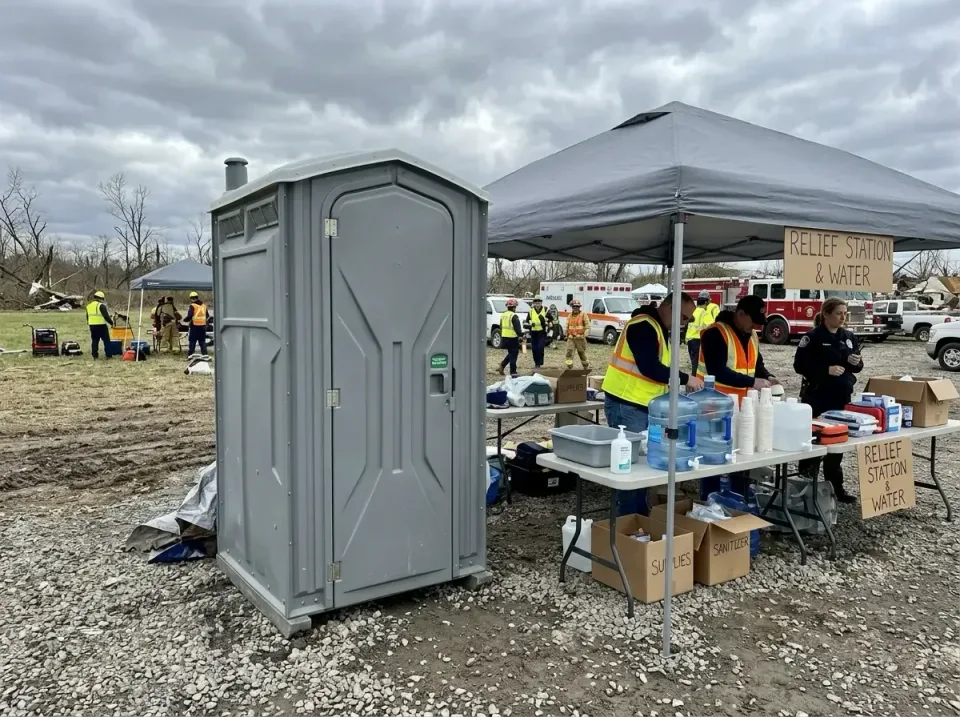
| Portable toilet with handwash setup | A site arranging sanitation together | A standard unit footprint is roughly 3 by 4 feet |
| ADA accessible portable toilet | Sites needing a wheelchair-accessible toilet layout | Larger footprint than a standard unit |
When planning service around State Highway 6, consider the truck approach and how that route fits the delivery schedule. Farm to Market Road 528 and FM 1462 are also useful local reference points when discussing where a service visit needs to go; give the provider the precise site access details.
Summer highs often reach the upper 90s Fahrenheit, so estimate demand for hot-weather work rather than relying only on a cooler-day water-use pattern. Ask whether repeated refills or another unit better fits your schedule.
What Steps Help Prevent an Empty Station?
A little planning helps prevent a dry sink from interrupting a shift or event. In Alvin, hot, humid summers increase restroom servicing needs, so build checks into the schedule instead of waiting for someone to report a problem.
-
Estimate demand: Tell the provider how many people use the station and when the busiest periods occur.
-
Choose firm placement: Place the unit on stable, level ground so it remains usable after changing weather.
-
Keep access clear: At a gathering near Bayou Wildlife Zoo, for example, confirm that visitors and service staff can reach the station without crossing vehicle traffic.
-
Set a water check: Ask a site lead to check the supply before the busiest shift or event period.
-
Plan access and permits: If placement may use public space, check whether a placement permit applies before delivery.
-
Report failures promptly: Tell the provider if the station stops flowing, leaks, or repeatedly runs dry.
At Mark Twain Elementary School or another busy site, share the contact and access instructions before the scheduled visit.
Get the Right Handwashing Plan for Your Alvin Site
An occasional empty station may call for a refill; repeat shortages or long waits may point to a second handwashing point. Check the water supply and visible fittings first, then consider how many people use the sink and whether the site remains easy to access after rain.
At Downtown Alvin events, a clear service plan can help keep the station available as visitor flow changes. Clay-rich soils can become muddy after prolonged rain, so plan a firm placement and an accessible route for service.
Need help deciding? Contact Texas Toilet Rentals with your site location, expected use, and current setup so we can discuss a practical refill or additional-station plan.